Why Does Soil Get Tired? The Hidden Crisis in Modern Agriculture and a Microbial Solution
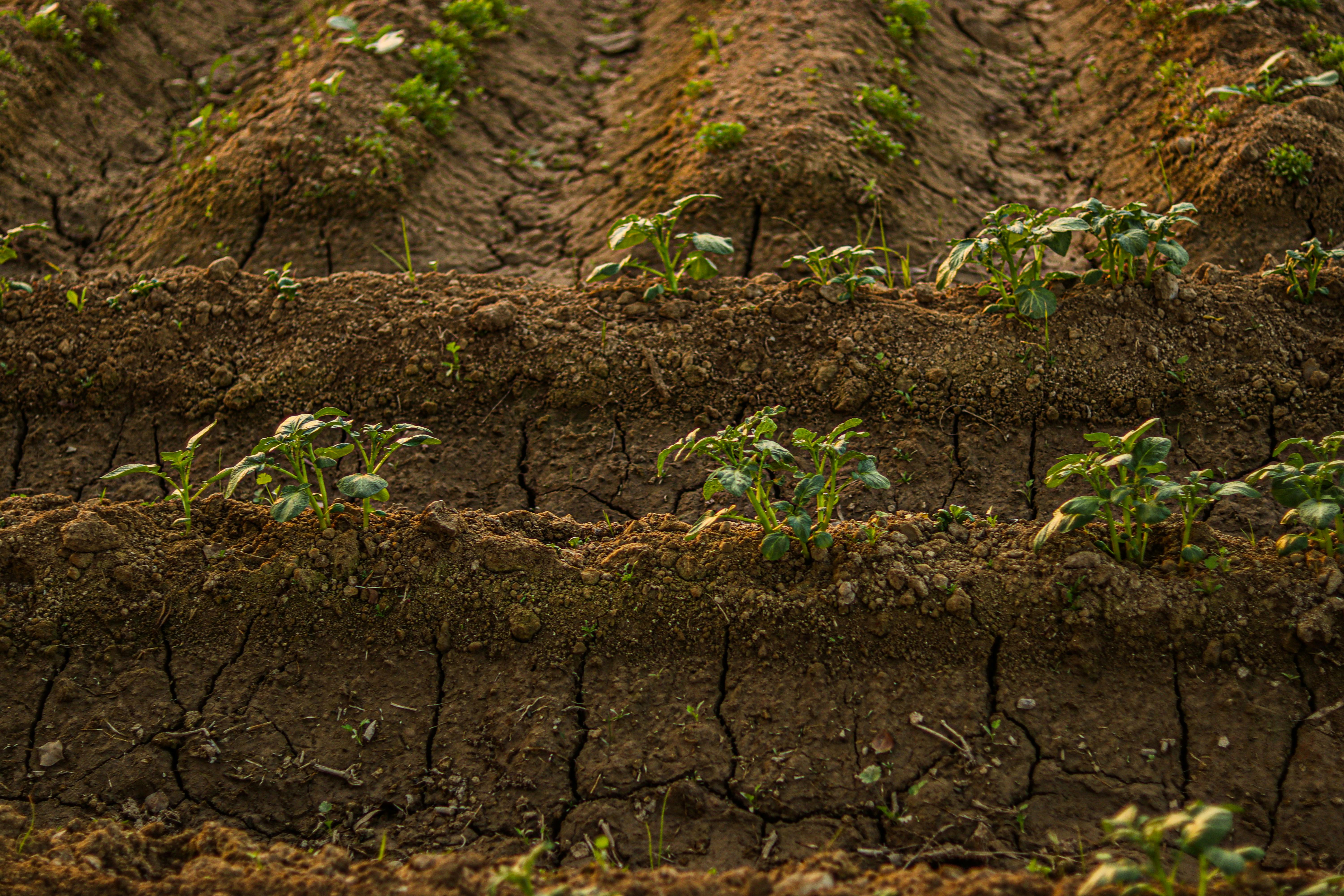
The decline in agricultural yield is often explained by climate, irrigation, or lack of fertilizer. However, there is a more fundamental fact that is overlooked: soil also gets tired. Soils that are continuously in production, where the same crops are grown repeatedly, and which are exposed to intensive chemical inputs, weaken biologically over time. This causes the plant to be unable to use the nutrients it needs, even if they are present in the soil, making yield loss inevitable.
Soil fatigue is actually the disruption of the microbial balance within the soil. Healthy soil is a living system inhabited by billions of microorganisms. These microorganisms break down organic matter into nutrients that plants can use, support root development, and protect the plant against diseases. However, the intensive use of chemical fertilizers and pesticides leads to a decrease in these beneficial microorganisms. As a result, even though the soil physically continues to exist, it begins to lose its biological function.
At this point, growers usually seek a solution by using more fertilizer. However, while this approach may yield results in the short term, in the long term it causes the soil to become even more tired. This is because the problem is not a lack of nutrients, but rather the failure of the nutrient cycle to function. The mechanism that ensures the elements in the soil reach the plant—namely, the microbial system—has been deactivated.
Microbial fertilizers are one of the most effective solutions to reactivate this cycle. Thanks to beneficial microorganisms, nutrients bound in the soil are dissolved, organic matter conversion is accelerated, and an active life is restarted in the root zone. In this way, plants are nourished more in balance, grow stronger, and become more resilient to environmental stresses.
The microbial fertilizer solutions we have developed as Cherry Mic aim to revitalize the biological structure of the soil. The beneficial microorganisms they contain not only nourish the plant but also make the soil productive again. This approach goes beyond short-term yield increases in agriculture to enable long-term sustainability.
In conclusion, soil fatigue, one of the biggest problems of modern agriculture, is a reversible process with the right approach. Seeing the soil not just as a production area but as a living system and supporting this system forms the basis of the agriculture of the future. Because without healthy soil, sustainable production is not possible.