The Delicate Balance Between Soil pH and Microbial Activity
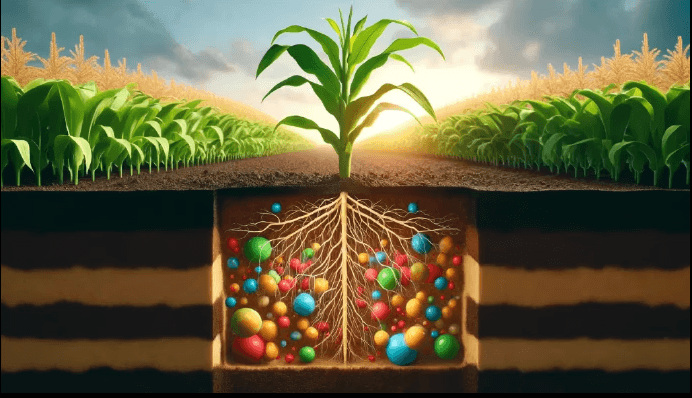
Soil is far more than the ground in which plants take root; it is a complex, dynamic ecosystem home to millions of microorganisms. Among these microscopic organisms, bacteria and fungi in particular play critical roles in soil fertility and plant health. For these organisms to function in a healthy, balanced way, however, the soil's physical and chemical conditions need to be right. One of the most important indicators of these conditions is soil pH.
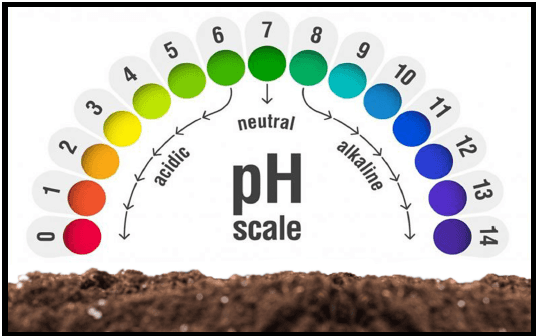
Soil pH is a fundamental factor that directly affects how microorganisms live, grow and multiply. Most beneficial bacteria and fungi are most active in the slightly acidic to neutral range (roughly between 6.0 and 7.5) [1]. When pH moves outside this optimum range, microbial diversity and metabolic functions decline noticeably [2]. This lowers the soil's biological fertility and has a negative effect on plant growth.
The effectiveness of beneficial microorganisms such as mycorrhizal fungi is directly influenced by soil pH. Research shows that soil pH plays a decisive role in the germination of mycorrhizal spores, hyphal growth and the fungi's capacity to form symbiotic relationships with plant roots [3]. In addition, when pH is in the right range, mycorrhizal fungi can mobilize nutrients in the soil such as phosphorus, zinc and nitrogen and deliver them to the plant more easily [4].
A drop in soil pH (an acidic environment) reduces the activity of nitrogen-fixing bacteria in particular, which disrupts the soil's natural nutrient cycle [5]. On the other hand, in highly alkaline soils, important elements such as iron, zinc and phosphorus become locked up, which prevents microorganisms from making these nutrients available to the plant.
In short, in soil with an unbalanced pH, microbial diversity declines, symbiotic relationships weaken, nutrient uptake suffers and the soil's biological fertility falls. Healthy soil is soil in which microbial activity continues and life is preserved. Success in agriculture depends not only on fertilizer use but also on protecting the soil's biological structure and maintaining a balanced pH.
Biotechnologist, Candan KILIÇ