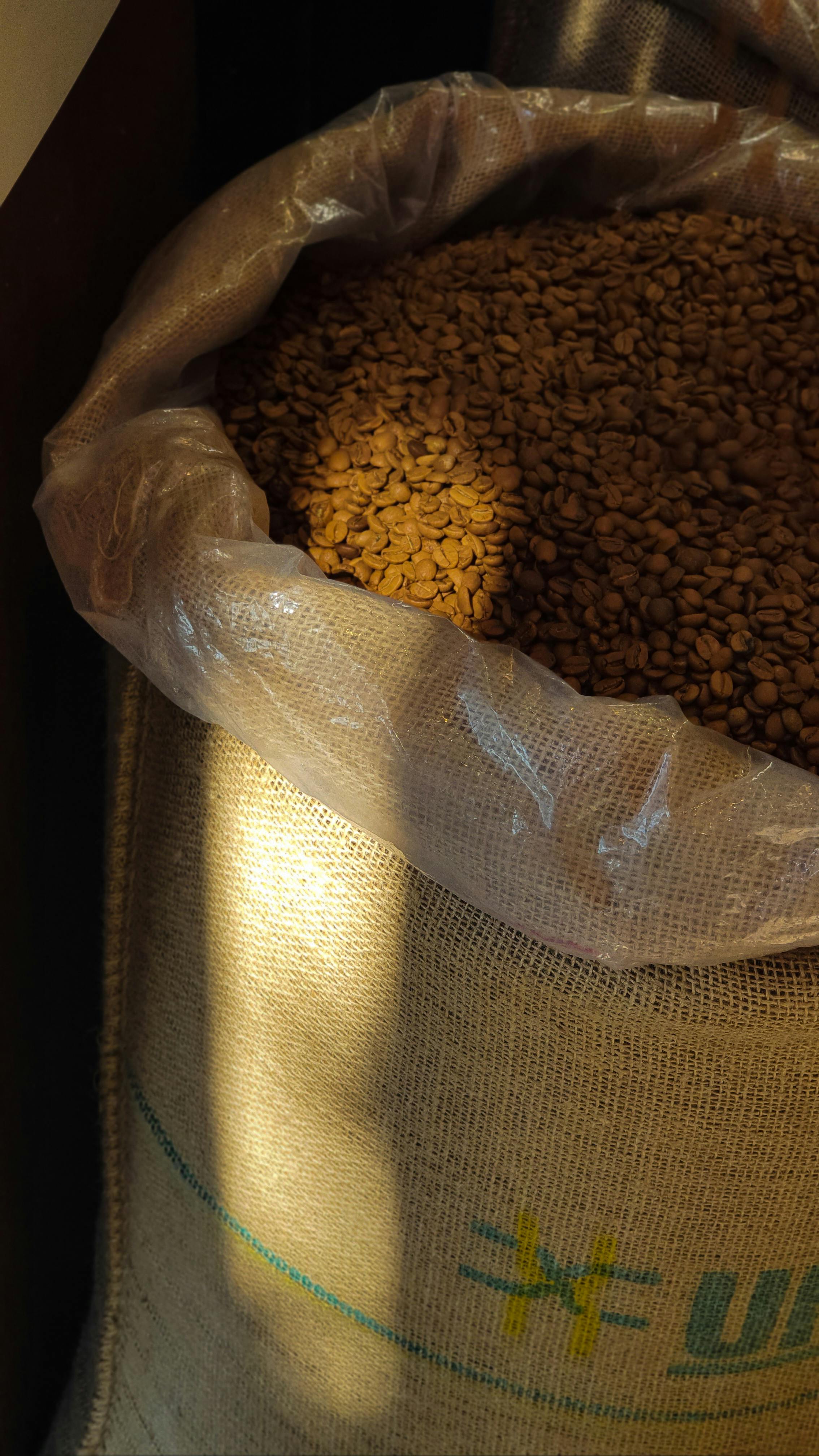

Using Microbial Fertilizers in Coffee Production: A New-Generation Approach to Sustainable Yield and Quality
Coffee is one of the most widely traded agricultural products in the world and an important source of livelihood for millions of producers. In recent years, however, falling yields, loss of quality and climate-related stress have become a serious threat to coffee production. Soil fatigue, a lack of organic matter and heavy chemical fertilizer use weaken the coffee plant's root development and make it harder for the plant to access nutrients. This has a direct negative effect on both yield and bean quality.
Protecting and strengthening the soil's biological structure is essential for sustainable coffee production. The coffee plant is highly sensitive to microbial activity in the root zone, and a healthy root system is the foundation for high yields and quality beans. This is where microbial fertilizers come in: by supporting beneficial microorganisms in the soil, they make plant nutrients more accessible and encourage plant growth naturally.
Microbial fertilizers offer an important advantage in coffee production by increasing the bioavailability of nutrients. Nutrients bound in the soil, such as phosphorus, are made available to the plant by phosphorus-solubilizing bacteria. Nitrogen-fixing microorganisms supply the nitrogen the plant needs through natural processes, creating a balanced nutritional environment. This helps the plant grow more healthily while reducing the need for chemical fertilizers.
The microbial fertilizers developed by Cherry Mic Biotechnology offer effective solutions for improving soil health in coffee production. Native bacterial strains such as Azotobacter chroococcum (micAzo), Azotobacter chroococcum and Pseudomonas fluorescens (micAP), and Erythrobacter (Siyazel) create an active microbial structure around the roots, speeding up the nutrient cycle and optimizing the plant's nutrient uptake. These microorganisms also improve soil structure, increase water-holding capacity and strengthen the plant's resilience to environmental stress such as drought.
Using microbial fertilizers in coffee production not only increases yields but also directly affects bean quality. Plants with more balanced nutrition produce more uniform, more aromatic, high-quality coffee beans. This creates an important competitive advantage, especially for coffee producers aiming for high quality and sustainable production.
In conclusion, sustainable gains in coffee yield and quality are possible with approaches that strengthen the soil's biological structure and support microbial balance. With its biotechnology-based microbial fertilizer solutions, Cherry Mic offers coffee producers an environmentally friendly and sustainable production model focused on both yield and quality, opening the door to a new-generation approach in agriculture.