El Niño Is Strengthening: Is a New Era Beginning for Agriculture and Food Security?
Climate change is no longer just an environmental issue; it has become one of the most critical determinants of agriculture, food security, and economic sustainability. Rising temperatures, irregular precipitation regimes, and extreme weather events in recent years once again demonstrate how sensitive agricultural production is to climate conditions.
In this context, the latest assessment published by the US National Oceanic and Atmospheric Administration (NOAA) points to an important development that must be closely monitored for global agriculture. NOAA announced that El Niño conditions formed as of June 2026 and are expected to strengthen in the coming months. This development has the potential to affect not only the Pacific Ocean but also precipitation regimes, temperature distributions, and agricultural production patterns worldwide.
What is El Niño?
El Niño is a natural climate event formed by the sea surface temperatures in the central and eastern parts of the tropical Pacific Ocean rising above the long-term average. However, its effects are not limited to the Pacific region.
Due to changes in atmospheric circulation, significant consequences can occur in many regions of the world, such as:
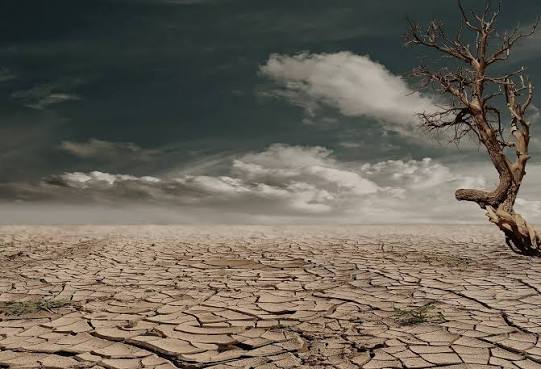
Prolonged drought,
Extreme precipitation and flooding,
Heatwaves,
An increase in the risk of wildfires,
A decline in agricultural yield
among other major outcomes.
Why is Agriculture Affected More?
Crop production is based on the balance of many environmental factors such as temperature, precipitation, soil moisture, and microbial activity.
When climate-induced stress conditions increase:
Microbial activity in the soil may decrease.
The balance of organic matter decomposition may change.
It may become harder for plants to uptake nutrients.
Water use efficiency may decline.
Yield and quality losses may occur.
Particularly under conditions of drought and high temperatures, not only irrigation capacity but also the biological health of the soil is of critical importance for the sustainability of production.
The Agriculture of the Future Requires More Resilient Systems
Today, agricultural policies in many countries around the world focus not just on increasing the quantity of production, but on making production systems more resilient to climate change.
In this context:
Regenerative agricultural practices,
Organic matter management,
Microbial biotechnologies,
Preservation of soil biology,
Widespread adoption of biological inputs
are shown among the most important areas of work in the coming years.
Because healthy soil does not only mean higher yields; it also means a production system that uses water more efficiently, sustains the nutrient cycle, and is more resilient to environmental stresses.
Cherry Mic's Perspective
As Cherry Mic, we view climate change not just as an environmental problem, but as a major area of transformation that can be solved with biotechnology.
We believe that technologies that strengthen the biological structure of the soil, integrate beneficial microorganisms into production systems, and convert agricultural waste into value-added biological products will play an important role in the sustainable agriculture of the future.
Climate conditions may change. However, through science, biotechnology, and production models that understand the workings of nature, it is possible to make the future of agriculture more resilient.