Why Does Excess Nitrate in Plant Sap Attract Pests?
Success in agriculture is not only about increasing the growth rate, but also about balancing how resistant plants are to pests.
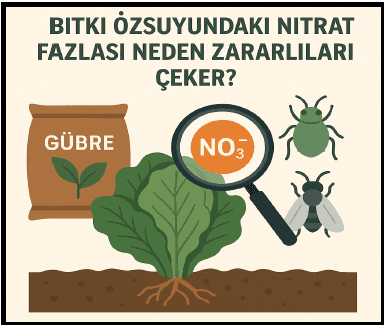
But have you ever thought about it? How might nitrates accumulating in plant sap as a result of excessive fertilization attract not only growth, but also uninvited guests?
Plants use nitrogen to produce protein. However, when excessive nitrogen fertilizer is used, nitrate that exceeds the plant's metabolic needs accumulates as a storage, especially in the leaves[1].
When the plant does not have the capacity to convert this excess nitrate, it begins to transport it freely in its sap. This creates an imbalance in the plant's internal system.
This is where the problem begins: Nitrate accumulating in plant tissues turns into an attraction source especially for pests with sucking mouthparts such as aphids and whiteflies. Because these pests feed by sucking the sap directly, they turn towards the nitrate and free amino acids that are abundant in it. For them, these plants are, so to speak, like an "open buffet with high nutritional value."
Furthermore, nitrate accumulation can cause osmotic imbalance and structural weaknesses in the plant. This makes it vulnerable not only to pests but also to pathogens. Environmental factors such as drought, low light, or stress conditions further worsen this picture.
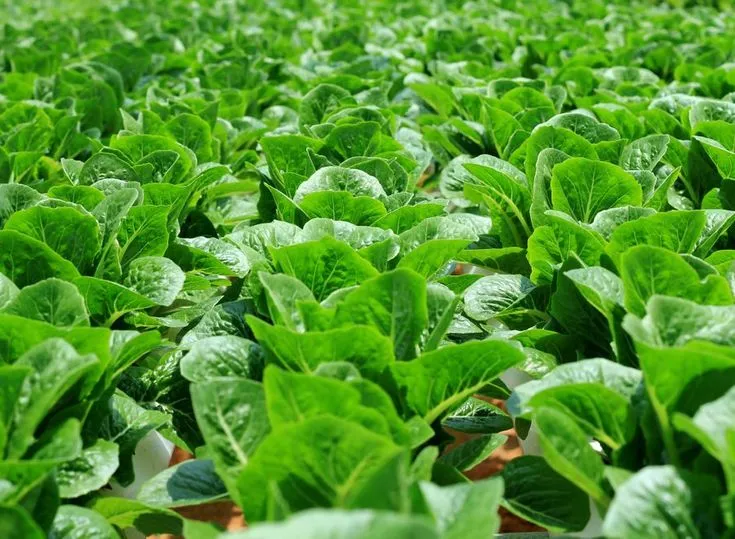
Especially in greenhouses, nitrate accumulation is much higher in green leafy vegetables such as lettuce and spinach grown under high temperature, low light, and intensive fertilization conditions [2]. This poses a significant risk not only in terms of nutritional value but also in terms of plant health and protection.
Candan KILIÇ
Biotechnologist